 HIFU Treatment
Non-Surgical Aesthetic Care
HIFU Treatment
Non-Surgical Aesthetic Care
HIFU Treatment
Non-Surgical Aesthetic Care
HIFU Treatment
Non-Surgical Aesthetic Care
HIFU treatment uses focused ultrasonic energy to lift, tighten and tone the skin from within. No surgery. No needles. No downtime. Just natural, gradual results that speak for themselves.
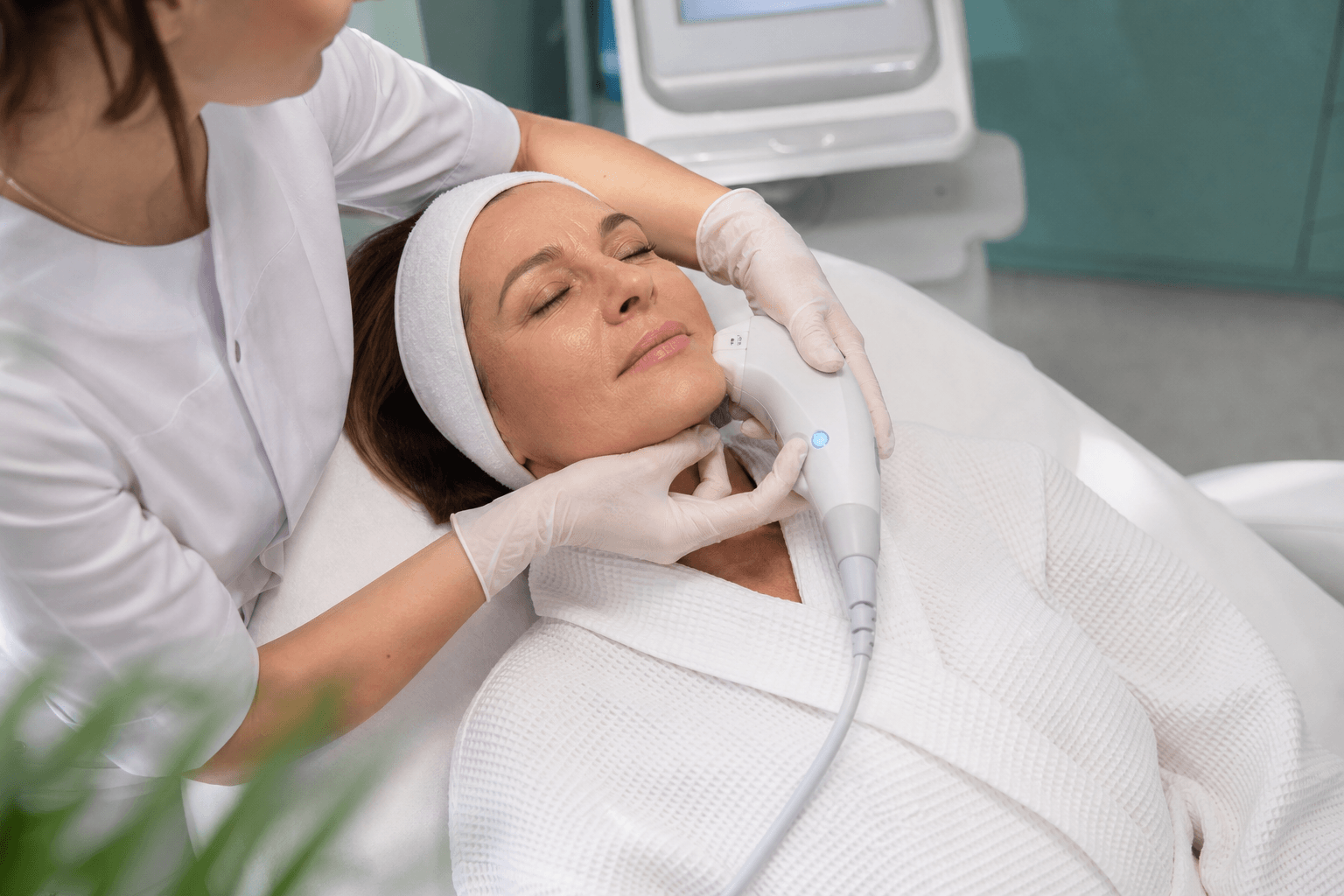
Some people reach a stage where the mirror no longer narrates the tale of their journey. It will not be as razor-sharp as it was five years earlier. The skin surrounding the eyes is slightly less taut. Could it be that the neck has aged before anything else? These are not shock changes to begin with, but they are relentless, and then they gain momentum. The question for the vast majority of people is not if they should do something about it, however what. Surgery feels too drastic. Creams seem to never deliver on their promises. And needles or injections do not agree with everyone.
This is where HIFU, which stands for High-Intensity Focused Ultrasound, comes in. It is a non-surgical, cosmetic treatment that uses focused ultrasonic energy to lift and tighten the skin. It operates below the skin level, tapping into deeper tissue layers that creams and serums typically do not reach, without a single cut. No anaesthesia, no recovery and no scarring. You come in, get the procedure done and leave. Most individuals return to their normal routine that same day.
Unlike many other aesthetic modalities, HIFU treatment works with the body to stimulate natural processes. Instead of layering something synthetic on top of the skin, it encourages your own body to generate new collagen — the structural protein that keeps skin tight, bouncy, and youthful. These results are not immediate, but they are natural and cumulate over weeks if not months. That steady improvement is one of the things people appreciate about it — it looks real because it is.
Here is an ultimate guide to everything you need to know about HIFU treatment, including the science behind it, what areas it treats, why someone would consider this treatment, and who would be most suitable for it. Whether you are in your thirties and hoping for prevention, or in your sixties and seeking improvement that shows, this is a treatment that deserves to be understood properly.
HIFU remains a non-surgical beauty treatment method that utilises high-intensity focused ultrasound beams directed into selected depths below the epidermis. This is similar to how conventional ultrasound imaging works, but instead, HIFU focuses the energy at discrete depths creating thermal coagulation points. These micro-injuries are invisible on the skin and completely painless in most cases, but they initiate a fierce biological response deep within the tissue.
To truly comprehend HIFU treatment, you need to know a little about skin structure. The next layer is the dermis, which is a thicker layer that contains lots of collagen and elastin fibres. Below that is the SMAS layer, which stands for superficial muscular aponeurotic system. This is the same layer that plastic surgeons work on when they perform a traditional facelift. Of the few non-surgical technologies capable of penetrating the SMAS layer, HIFU treatment is one. It is this depth of penetration that makes it so much more effective than surface-type treatments.
When the ultrasound energy penetrates these deeper layers it heats tissue locally to temperatures of about 60 to 70 degrees Celsius. By heating the collagen fibres in a controlled manner, these already present fibres will shrink and tighten, leading to an immediate but subtle tightening effect. But most importantly, it launches a process known as neocollagenesis — the making of new collagen. The controlled micro-injury initiates a natural tissue repair process. In other words, your body begins creating new collagen to heal and remodel the area that has just been treated. You will only see those more noticeable, long-term skin tightening and lifting results over the next few weeks and months.
HIFU treatment is performed at varying depths depending on the area being treated and what concern is being addressed. These depth levels are typically 1.5 millimetres, 3.0 millimetres, and 4.5 millimetres deep. Shallower depths target the upper dermis for fine lines and surface texture. Mid-range depth corrects deeper wrinkles and dermal laxity. The deepest setting penetrates as far down as the SMAS layer, where the greatest foundational tightening takes place. When these are combined in a single session, a practitioner is able to address the entire spectrum of skin ageing all in one sitting.
Precision in treatment is a unique feature of HIFU compared to other types of tightening technologies. As the ultrasound beams are focused to a single point — similar to how a magnifying glass focuses sunlight — energy can be delivered where needed without affecting surrounding tissue. The skin surface remains untouched at all. No redness, peeling or sun sensitisation after. That precision also allows the treatment to be adjusted very specifically. The depth, energy level and number of focal points can all be adapted according to an individual's skin condition and goals.
The procedure itself is straightforward. A water-based ultrasound gel is applied over the treatment area, and the practitioner uses the HIFU handpiece across the skin. The device emits concentrated energy in short, pulsed bursts via the handpiece, sweeping across the area. The duration of most sessions is 30 to 90 minutes, depending on how large the treatment area is. There is a warm tingling or mild prickling sensation during this process, but it is within most people's tolerance levels. After your session, the gel is wiped off and you are free to go. No bandaging, no aftercare regime and no activity restrictions.
You may start to see results in as quickly as two to four weeks, with improvement over the following three to six months as new collagen matures and strengthens. Results are typically long-lasting, between six to eighteen months depending on age, skin condition and lifestyle, with only a single session of HIFU treatment. Most people only need one maintenance session a year to continue experiencing the benefits long term.
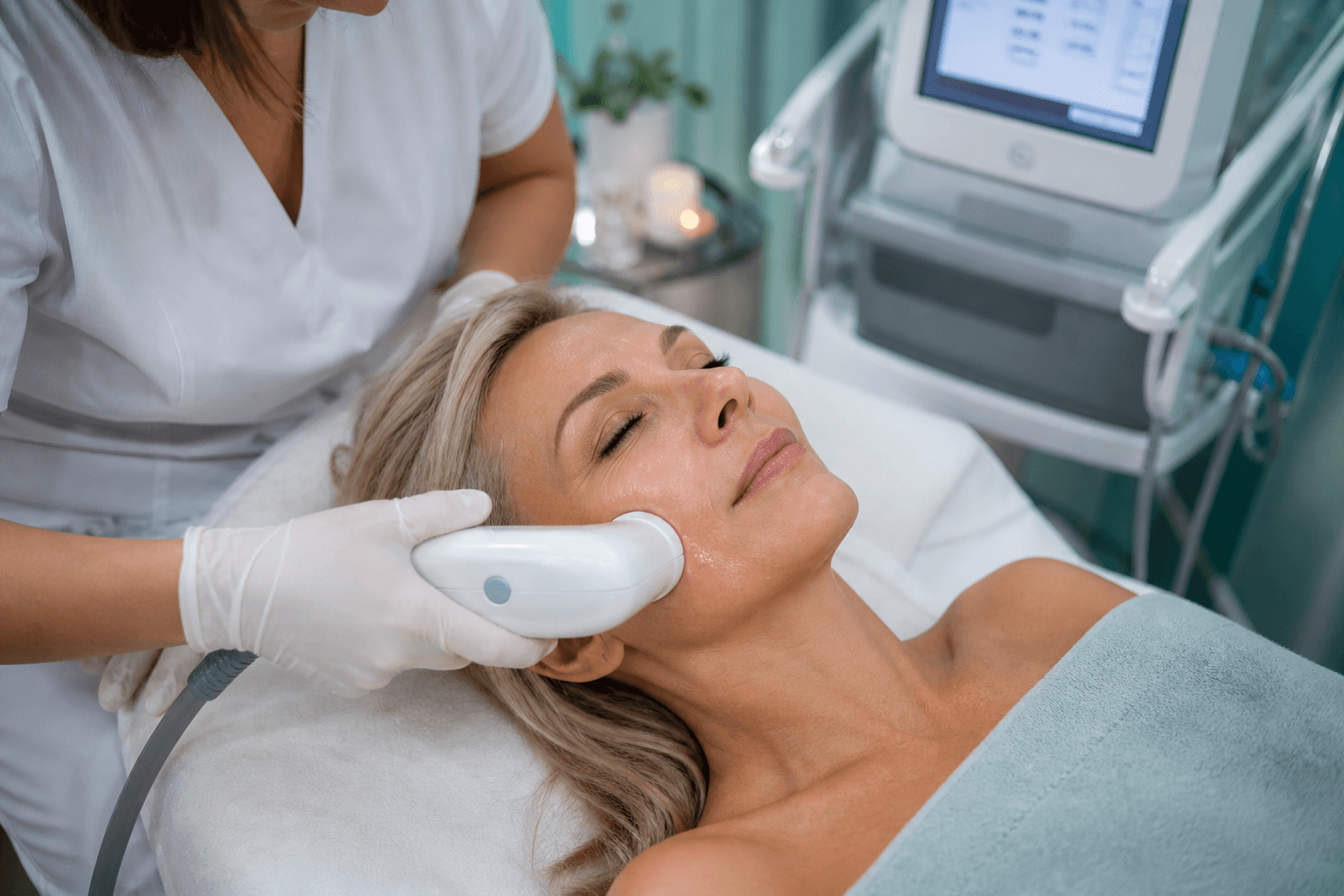
The face is the most apparent area for signs of ageing. The forces of nature such as gravity, sun exposure and stress — not to forget that a natural decline in collagen production begins when we reach our mid-twenties — all conspire to soften once-sharp features. HIFU treatment for the face addresses these concerns using a method that works beneath the skin's surface.
Horizontal lines on the forehead and vertical furrows between the brows are some of the earliest signs of facial ageing. They result from repetitive muscle movement along with loss of support from underlying collagen. HIFU treatment applied to the forehead area produces its effect by boosting collagen formation through dermal levels below these lines, gradually flattening the skin and softening the creases. The result is a soft, natural forehead that appears rested, not paralysed.
A subtle lowering of the eyebrows does a lot to change how the face can appear. Just a millimetre or two of lifting can open the eyes and make the face look more awake. Tightening the tissue located above and around the eye socket allows HIFU treatment to lift the brow naturally. Many people opt for this because they feel that their eyes are looking lower or more tired than they used to.
The fine lines that fan out from the outer corners of the eyes are among the most commonly treated concerns. Due to the thinness and delicacy of skin around the eyes, this area requires shallower focal depths in HIFU treatment to target the upper dermis precisely. The new collagen production that occurs over the weeks after treatment helps soften these lines significantly.
Volume loss combined with skin laxity creates a flatter midface and deeper nasolabial folds — the lines running from the nose to the corners of the mouth. Applying HIFU facial treatment to the cheek area can tighten the supporting tissue and restore midface volume, as well as diminish nasolabial folds. While it does not plump like fillers, it offers structural support by naturally lifting and firming the area.
A strong jawline is one of the hallmarks of a youthful appearance, and it is also one of the contours that softens during the mid-forties and fifties. HIFU treatment to the jawline lifts and tightens lax skin and soft tissue, giving your contour a sharper, more youthful look while also decreasing the appearance of jowling along the jaw. For many, this one treatment area has the greatest effect on overall appearance.
A double chin can result from excess fat, looseness of skin, or both. HIFU treatment lifts the skin under the chin and, at greater energy levels, addresses localised fatty tissue. The result is a thinner, more sculpted jawline and chin profile.
The neck is often referred to as the part of the body that betrays your age. Superficial measures are often not enough to treat issues like loose, crepey skin on the neck or horizontal banding and vertical cords. HIFU treatment penetrates deep into the tissue in the neck and causes collagen renewal with gradual tightening of the skin upward over time.
The décolletage — the upper chest area beneath the collarbone — is often exposed to the sun and a common area for fine lines, crepiness and loss of firmness. HIFU can treat this area to smooth and improve its texture and elasticity, restoring a more youthful appearance to the upper chest.
For those looking for the most comprehensive approach, a full face HIFU treatment session covers everything listed above. A combined session works across all zones for harmonised, natural-looking results.
HIFU treatment extends well beyond the face, even though many people know it primarily for its facial benefits. Using the same ultrasound technology for tightening and lifting, practitioners can deliver precise amounts of high-frequency ultrasound energy to targeted areas of the body where skin laxity, stubborn fat deposits or loss of firmness are a concern. Body HIFU treatment is increasingly popular among both men and women who seek a way to achieve their desired body contour without invasive procedures.
Loose and inelastic skin on the upper arms is a common concern, especially for women over forty. HIFU treatment for the upper arms works on the deep dermal layers, where ultrasonic waves generate heat to stimulate collagen regeneration and tighten the skin. This creates toned-looking limbs without the need for surgical intervention.
The abdomen is one of the most popular body treatment areas. HIFU treatment can produce meaningful change whether the issue is loose skin after pregnancy, persistent fat pockets resistant to diet and exercise, or general loss of firmness due to advancing age. Ultrasound energy goes into the lower tissue layers, tightening skin and at some levels breaking down fat cells that the body processes naturally after treatment.
There can be loss of firmness on both the inner and outer thigh area, with lax skin that feels loose or dimpled. HIFU treatment on the thighs stimulates collagen regeneration and firming of dermal structure. It is especially useful on the inner thigh where skin tends to become thinner with age.
Love handles are among the most troublesome natural fat deposits, particularly resistant to exercise. HIFU treatment works through those areas to address the fat while also tightening the skin above it. The combined effect of fat reduction and skin tightening gives a more toned appearance.
Many people feel conscious of excess fat and loose skin across their mid and lower backs, especially when wearing tighter clothes. HIFU treatment can be used to decrease fat deposits in these areas and tighten the skin for a smoother, more contoured back profile.
The buttocks HIFU treatment concentrates on skin smoothing and lifting, assisting with the creation of a firmer, more energised appearance. This is especially relevant for those who have lost volume or experienced sagging skin from age or changes in weight.
The hands are one of the first areas on the body to show signs of ageing, such as thinning skin, visible veins and loss of fullness. HIFU on the back of hands promotes collagen in the dermis layer, making skin thicker and smoother in texture.
HIFU applied to the broader upper chest area can tighten loose skin and reduce fine lines from sun damage — similar to facial décolletage treatment but covering a wider zone for comprehensive rejuvenation.
HIFU technology is also applied for vaginal tightening through a targeted application referred to as the Femiwand treatment. This is a non-invasive procedure that uses focused ultrasound to tighten the vaginal walls, creating an overall enhancement of both physical sensation and confidence. The treatment is private, painless and does not require any downtime.
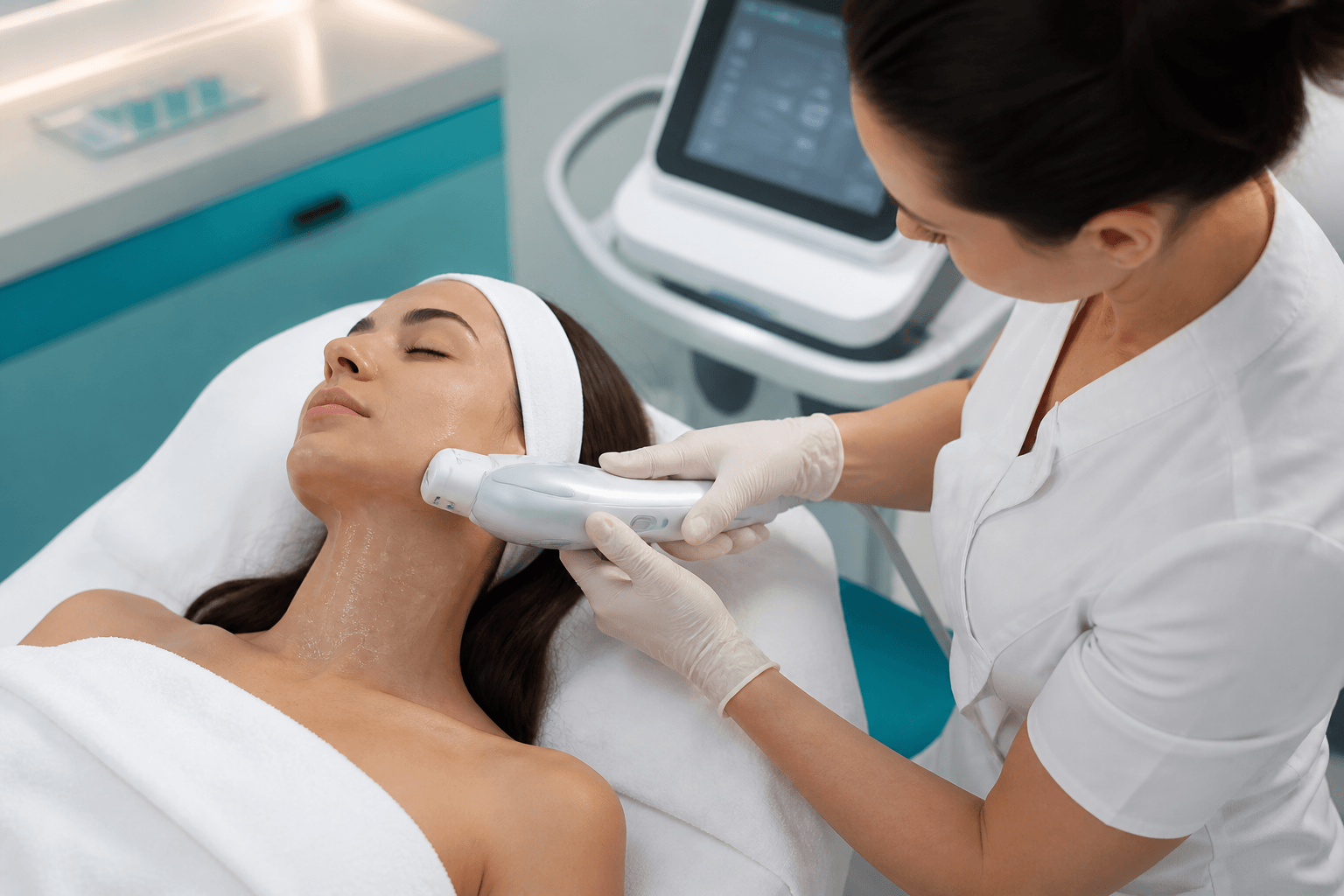
Knowing the science of how HIFU treatment works can give you some insight into why it is able to deliver such lasting results. The technology itself is based on the same principles of ultrasound used in medical diagnostics, with one important distinction. While diagnostic ultrasound uses low-energy waves to create images, HIFU focuses high-energy waves at one specific location to generate a therapeutic effect deep in tissue.
In HIFU, the transducer in the handpiece sends intensive, focused acoustic waves with a central point just beneath the skin surface. At this focal point, the energy is concentrated enough to heat the tissue between 60 and 70 degrees Celsius. This results in thermal coagulation points — small areas of deliberate thermal effect, not visible on the surface, but enough to stimulate the body's wound healing response.
There are two immediate effects. First, the heat causes existing collagen fibres at and around the focal point to contract, creating an immediate but modest lifting effect. Second, and perhaps more importantly, the micro-injuries are detected by the body, which sets in motion a repair process. In the weeks after treatment, fibroblast cells will migrate to the area and begin producing fresh collagen and elastin — proteins that give the skin most of its structure, strength, and elasticity. Neocollagenesis after a single treatment session continues for three to six months.
The depth of energy delivery is critical. HIFU systems usually have three focal depth settings. The most superficial setting at 1.5 millimetres is aimed at the upper dermis, making it ideal for fine lines and improving surface texture. At 3.0 millimetres, the mid-range penetrates to the deeper dermis where most collagen and elastin can be found. The deepest setting at 4.5 millimetres penetrates the SMAS layer. This is how HIFU can lift and structurally tighten without any of the incisions, sutures, or scars that a surgical facelift creates.
A surgical facelift, by comparison, cuts the skin, manipulates the underlying tissue and removes excess skin before closing the incision with stitches. It needs general or local anaesthesia, is not without risk of infection and nerve damage, and requires numerous weeks of bruising, swelling and restricted mobility. HIFU treatment achieves a considerable portion of the same structural outcome through a biological rather than mechanical process — and for this reason it is now recognised as an ideal alternative for anyone who wishes to achieve improvement without any of the risks, discomfort or downtime associated with surgical procedures.
It is important to note that the ultrasound energy completely bypasses the skin surface. The epidermis is unaffected, accounting for the absence of redness or peeling, and no post-treatment sun sensitivity. This also means that if you have darker skin, you can safely receive HIFU treatment — unlike with laser-based treatments where the risk of pigmentation change is much greater in darker skin tones.
It is not just what HIFU treatment does but also how it does it that makes it so appealing. The advantages go far beyond the apparent enhancement in tone and shape of the skin. They encompass everything from the convenience of the procedure, to the quality of results, and the very low demands it places on your time and body.
One of the most valued advantages is that HIFU treatment is completely non-invasive. Zero needles, no surgery, and zero injections. The ultrasound energy moves through the top layer of skin without breaking it, leaving behind no risk of scarring, irritation or infection as can be seen with surgical procedures. For those who feel anxious at the mere mention of surgery, this is an extremely reassuring aspect of treatment.
Right alongside this is the fact that no downtime is required. You do not need to take time off work, cancel plans, or limit exercise. A few people feel a very slight warmth or tingling in the treatment area for a couple of hours following the session, but this passes without any need for intervention. You could have a lunchtime HIFU treatment and head back to the office or carry on with your day without anybody noticing.
The fact that HIFU treatment results are natural looking cannot be overstated. The gain is slow and natural since the therapy targets the body's very own collagen-creating mechanisms. It does not announce itself with a dramatic or sudden change. Instead, the skin steadily becomes tighter, smoother and more youthful-looking over the weeks and months. People around you will sense that something has changed about you, but they would be hard pressed to identify exactly what it is. This kind of subtlety is something that many people value highly.
HIFU delivers long-lasting results from a single session. The results of each treatment may last from six to eighteen months, depending on the person's age, skin condition and lifestyle. Many individuals observe improvements that last well past the initial stage, when collagen levels remain elevated. If you commit to an annual maintenance session, that is usually enough for sustained benefits, making HIFU treatment a time-efficient option overall.
Another significant benefit is the versatility of HIFU. It can be utilised on nearly every region of the face and body where you want to tighten, lift, or reduce fat. Whether you want to address the forehead, jawline, stomach, arms, thighs or other areas, HIFU treatment suits a wide variety of concerns and body types. It can be used either as an isolated treatment for a specific area or incorporated into a full rejuvenation programme focused on several zones.
HIFU can be carried out on any skin type, which is not the case with all aesthetic treatments. This is because the ultrasound energy does not interact with the epidermis, instead working at deeper tissue levels, which avoids pigmentation change, burns and uneven skin tone. It is an inclusive treatment which works with equal efficacy for both darker and lighter skin tones.
If you have had cosmetic surgery in the past, HIFU treatment is a valuable way to enhance and prolong your results. By re-stimulating collagen production and tightening skin in the years following surgery, HIFU can help to extend the youthful results without requiring a repeat surgical procedure. This is a complementary solution which does not require additional operations.
Lastly, because HIFU treatment does not target the skin surface, there is no post-treatment sun sensitivity. You do not need to avoid the sun or change your skincare routine after your session. This is especially beneficial for those with active, outdoor lifestyles or those who prefer not to work around extensive aftercare.
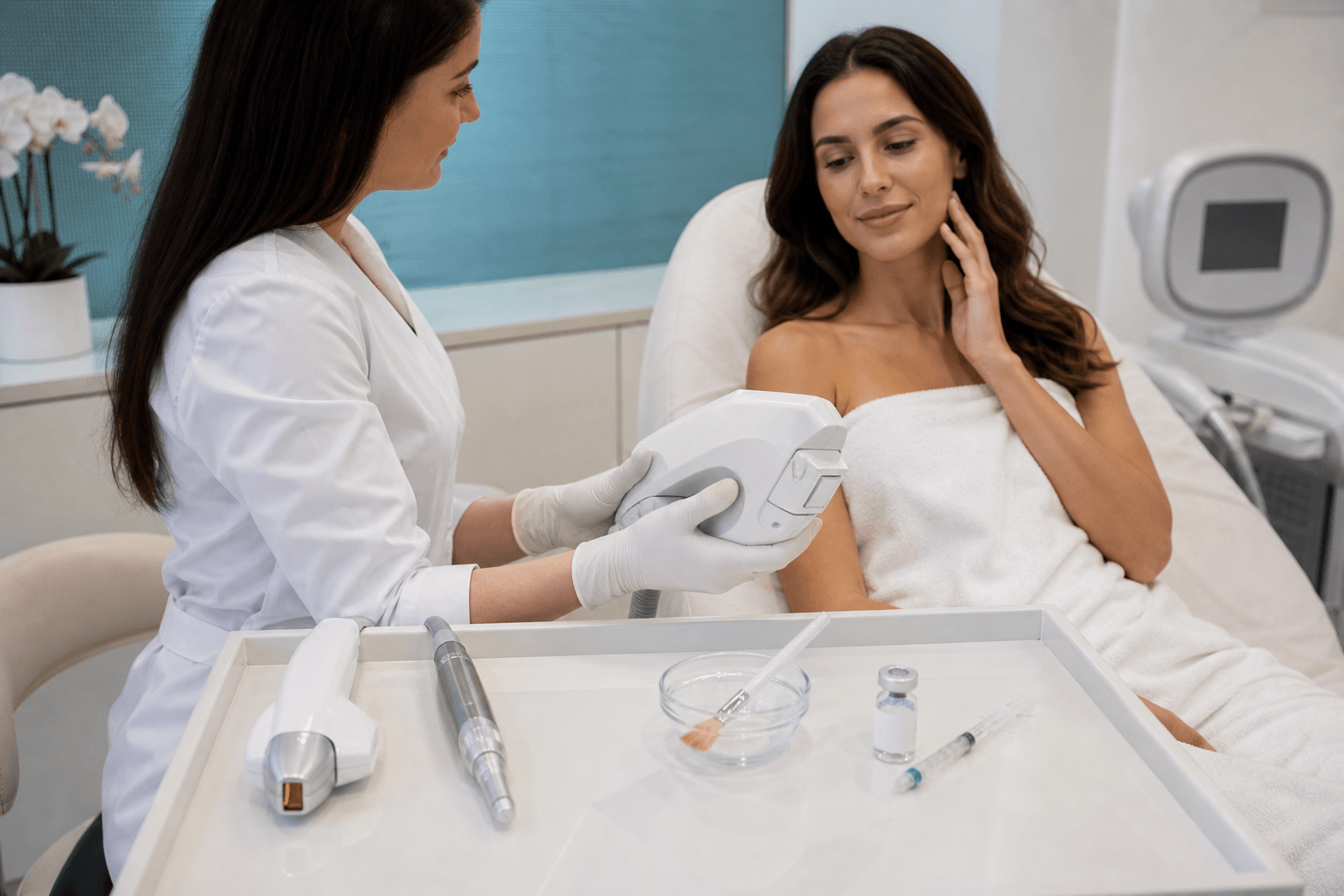
There are many different aesthetic treatments to choose from, and it can feel overwhelming. Understanding how HIFU compares to other common treatments provides a clearer picture of where it sits within the spectrum of procedures and who it is best suited for.
Nothing is as definitive or long lasting for facial rejuvenation as a surgical facelift. It includes incisions, tissue repositioning and removal of excess skin under general anaesthesia, with recovery taking up to two to four weeks. Results can last five to ten years. Unlike surgery, HIFU treatment is a completely non-surgical procedure. It will not produce the same extent of transformation, but it provides real tightening and lifting with no recovery time, no anaesthesia, no surgical complications and no scarring. HIFU treatment works well for many people, especially those with mild to moderate skin laxity, but is not intended as a surgical substitute. It is also an excellent choice for maintaining results when the effects of a previous surgery begin to diminish.
Ultherapy is actually a proprietary brand of HIFU technology. Both approaches rely on the same ultrasound principles and target similar tissue depths. Ultherapy stands apart with its proprietary DeepSEE imaging system that enables the clinician to visualise tissue layers in real-time during treatment. This can provide some additional accuracy. On the other hand, Ultherapy sessions tend to cost substantially more compared to standard HIFU treatments. For those who want focused ultrasound at a more accessible level, HIFU treatment produces comparable results with strong safety and efficacy.
Chemical peels involve exposing the skin to an acid solution, which removes the outermost layers and reveals fresh, smooth skin beneath. They are effective for larger pores, irregular skin texture, uneven tone, pigmentation and surface-level collagen stimulation. However, chemical peels will never reach the deeper structural layers of the skin. HIFU takes a lifting and structural tightening approach because it works at a different depth entirely. These two treatments complement each other well — a chemical peel for surface polishing paired with HIFU for deep tightening can produce overall rejuvenation.
Laser treatments cover a wide array of technologies, from ablative lasers that deal with the upper layers of skin by removing them, to non-ablative lasers that work below the surface and encourage collagen without damaging the outer layer. They have proven very effective for scars, pigmentation, uneven texture and fine lines. But they mainly involve the epidermis and upper dermis. HIFU goes much deeper, penetrating all the way to the SMAS layer for structural tightening that lasers simply cannot achieve. Lasers also have more potential for side effects on darker skin tones, and most require several days of downtime for skin healing. None of these restrictions apply to HIFU treatment.
Different types of facial age-related changes are targeted by injectable treatments such as Botox and dermal fillers. Botox targets the facial muscles responsible for dynamic wrinkles, while fillers restore volume in areas that have lost fullness. They both have visible, immediate results but they are short-term, lasting three to twelve months, and require several top-ups in order to maintain. Conversely, HIFU treatment does not involve injecting a filler or affecting the muscles. It utilises your body's own collagen synthesis capabilities by simply stimulating them. Results take longer to appear but are based on the body's own biology, and many people prefer this more organic approach to facial rejuvenation.
HIFU treatment is valued for its ability to work across a wide spectrum of people. It is not a treatment only for one group of individuals or skin type. It can be genuinely customised to suit multiple ages, skin types and intentions.
For people in their twenties and thirties, the purpose of HIFU treatment is mainly prevention. Although visible signs of ageing may not yet be present, the process of collagen production has already begun its slow decline. A single HIFU treatment session can trigger continued collagen production, helping to maintain skin tightness and delay the appearance of sagging and fine lines. Consider it an investment in your skin's future.
In your forties, the signs of ageing are usually more advanced. There can be increased sagging of the jawline, deeper wrinkles surrounding the eyes and mouth, as well as a reduction of volume in key areas of the face. At this stage, HIFU treatment can offer significant lifting and tightening, helping to renew definition to the face and reduce the appearance of wrinkles.
Those over sixty are also good candidates for HIFU, although expectations should be realistic. By this age, the skin has undergone a lot of natural collagen loss, and there is more serious laxity. HIFU treatment will not achieve results similar to a surgical facelift at this stage, however it can significantly improve skin firmness, reduce wrinkle depth, and provide a fresher overall look. It is a safe and comfortable approach to lifting that is especially appealing for those who are not candidates for surgery or who prefer to avoid it entirely.
HIFU treatment is applicable for both genders. Many men seek treatments to help improve their appearance without any obvious signs that they have had work done. HIFU treatment is ideal as it produces gradual, natural-looking results with no telltale signs of treatment. It suits both male and female patients according to their specific concerns and goals.
Ideal candidates also include those who have had cosmetic procedures previously and are starting to notice the effects fading. HIFU can re-stimulate collagen production rather than requiring a second surgical procedure, offering a practical and low-risk way to maintain surgical results over the longer term.
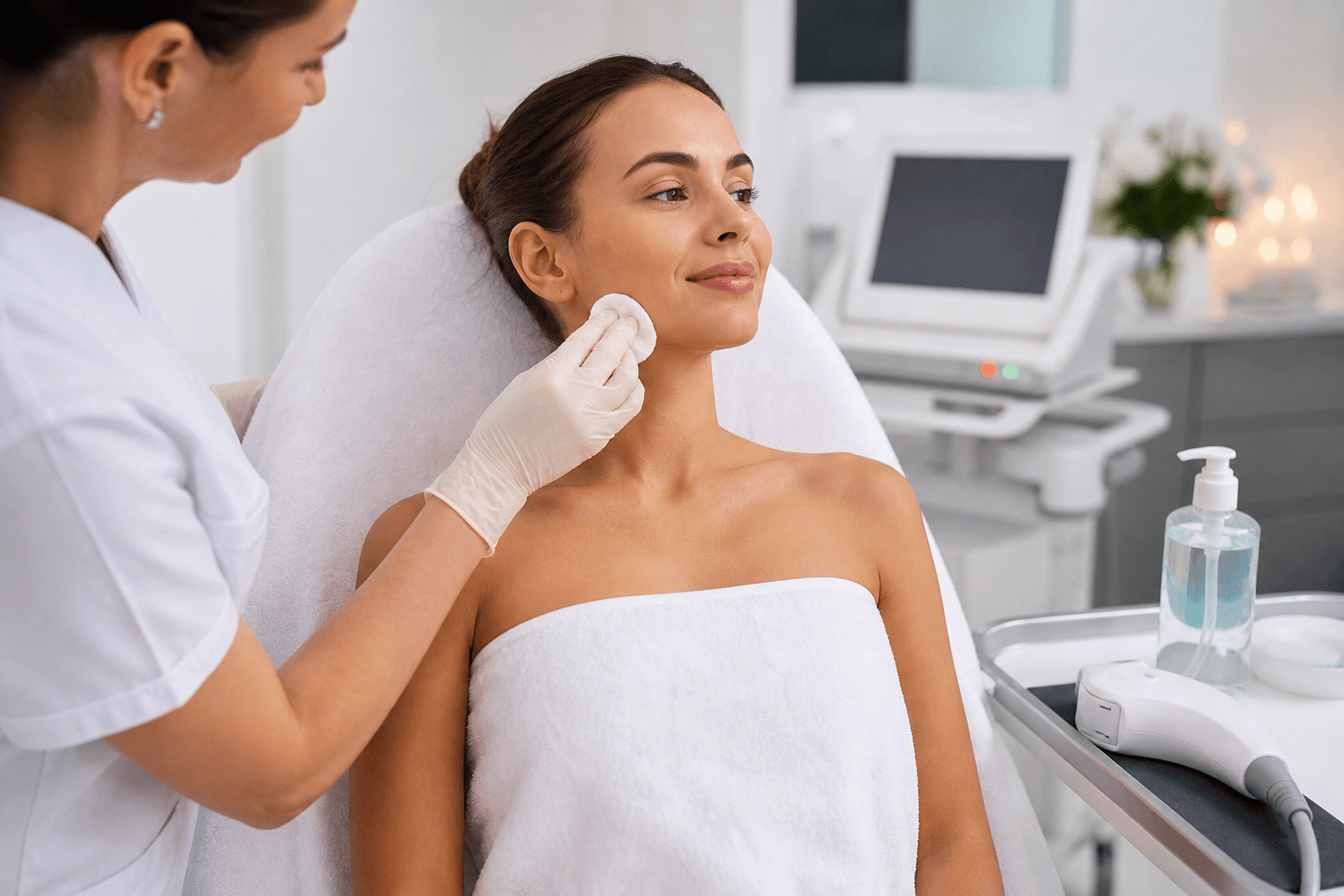
If you have never had HIFU treatment before, it is understandable to wonder what the procedure entails. Happily, the process is straightforward, comfortable, and needs minimal preparation or aftercare.
It all starts with a consultation. In this first conversation, an expert consultant will analyse your skin and discuss your concerns and objectives before creating a customised approach. This is when you can ask questions, voice whatever concerns you might have and make sure that you are comfortable with the outlined plan. The consultation is a crucial part of the process since HIFU treatment is not one-size-fits-all. The areas, depths of ultrasound and number of focal points delivered are all personalised to the individual.
Before the procedure, the treatment area is cleaned and a water-based ultrasound gel is applied. This gel allows the handpiece to glide over the skin and provides for optimal transmission of the ultrasound energy. The practitioner then sweeps the HIFU handpiece over the treatment area in a grid formation, applying focused energy pulses at the desired depths.
As ultrasound energy is delivered, most people experience a warm, tingling sensation. Some compare it to a gentle sting or a short warmth per pulse. The sensation varies based on the area being treated — thinner tissue like around the eyes can be more sensitive, while thicker tissue like the cheeks or jawline is generally more comfortable. If any discomfort occurs, it is well within a manageable tolerance for almost everyone, and no anaesthetic or numbing cream is required.
Facial HIFU will normally take around 30 to 60 minutes, while treatment on the body can last for up to 90 minutes depending upon the size of the area. At the end of your session, the gel is wiped off and you are on your way. No bandaging, no special aftercare products, and no activity restrictions. You can apply makeup, exercise, eat as normal and go right back into your daily life.
In the days after treatment, you might notice a mild warmth or slight redness in the treated area, and sometimes very slight tenderness. These sensations typically last only a few hours at most. There is no bruising, no swelling, and no visible markings of any kind.
HIFU treatment effects are gradual. The initial collagen contraction occurs after two to four weeks. Minor improvements from the initial tightening begin soon, but the more profound changes a result of neocollagenesis and the maturation of new collagen — occur over three to six months. Peak results typically become noticeable around the three-month mark, though some individuals report further improvement beyond this point. Benefits from a single session typically last six to eighteen months depending on the individual, and when needed, a maintenance session can be booked to prolong these effects.
In modern times there are numerous aesthetic services offered, each with their own respective place in treating the signs of ageing. HIFU has a great deal going for it depth, safety, convenience and natural results. It is one of the only non-invasive technologies that can penetrate the deeper structural layers of skin the same target areas a surgeon would treat in a facelift and create a true biological response resulting in real, long-term improvement.
Clinically tested, safe for all skin types and used for many years in the medical and aesthetic arena. No downtime, no needles, no scars and no anaesthesia. The results develop gradually over weeks or months and look and feel like your own skin, only firmer, clearer, and more youthful. That could mean targeting a particular concern on the face, firming and toning skin on the body, or simply taking a preventative approach to protect your skin for decades to come HIFU treatment is a credible and valuable option.
Your skin changes over time. That is simply life. The difference lies in how you respond to those changes, and the options you choose can have a lasting impact on your appearance and self-confidence for years. With HIFU, that choice is firmly in your own hands.